


The gambling experience captivates individuals through a blend of excitement, risk, and the potential for reward. This allure is deeply rooted in human psychology. The thrill of placing a bet and the hope of winning can trigger the brain’s reward system, releasing dopamine and generating feelings of pleasure. This neurochemical response reinforces the behavior, making players more likely to get more insights here return to the casino in search of that exhilarating high.

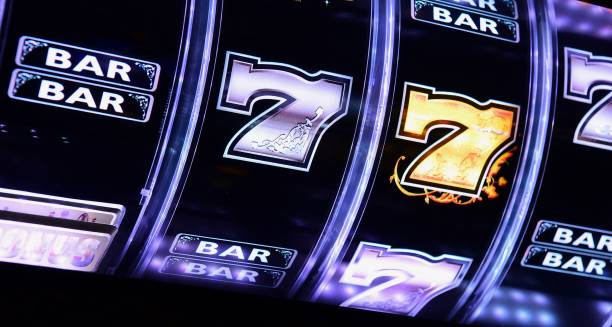
Furthermore, the environment of casinos themselves is designed to enhance this psychological effect. Bright lights, engaging sounds, and an overall atmosphere of excitement create a sensory experience that can be hard to resist. As a result, players may find themselves drawn into prolonged gambling sessions, often losing track of time and their financial resources.
At the core of casino player behavior is the complex relationship between risk and reward. Many gamblers are motivated by the thrill of taking risks, as this can evoke feelings of empowerment and control. This attraction to risk can variably influence decision-making processes, leading players to make choices they might not ordinarily consider outside of the gambling environment.
Additionally, the psychology of near misses plays a critical role in motivating players. When participants experience close calls—like almost winning a jackpot—they often feel compelled to continue playing, believing that they are on the verge of success. This phenomenon can create a cycle of gambling behavior that is difficult to break, as players become convinced that their next bet could lead to a significant payout.
Social interactions also significantly impact casino player behavior. Many individuals enjoy the communal aspect of gambling, whether through shared experiences at table games or in competitive settings like poker. This desire for social connection can enhance the overall enjoyment of the gambling experience, as players often form bonds with other gamblers.
Moreover, the role of social proof can affect decision-making in casinos. Observing others winning or celebrating can prompt players to join in and increase their bets, believing that they too might share in the success. The influence of friends or fellow players can lead to group dynamics that amplify the excitement of gambling but may also result in poor financial decisions.
Cognitive biases are powerful influences on player behavior in casinos. These mental shortcuts can skew perception and judgment, leading gamblers to make irrational decisions. For instance, the gambler’s fallacy—a belief that past outcomes affect future events—can compel players to chase losses or expect a win after a series of losses.
Moreover, confirmation bias plays a role in how gamblers interpret their experiences. Players often focus on wins while overlooking losses, reinforcing the idea that luck is on their side. These cognitive distortions can create a false sense of confidence, leading to continued gambling despite negative financial outcomes.
This website offers a wealth of information and resources aimed at understanding gambling behavior and its psychological underpinnings. It serves as a valuable platform for individuals seeking to gain insights into casino dynamics and player motivations. Through informative articles and expert analyses, users can explore the various factors that drive gambling behavior and learn how to navigate their own experiences more effectively.
Although access to some areas may be restricted, the site provides alternative resources for players and enthusiasts alike. Engaging with this content can lead to a deeper understanding of the psychological aspects of gambling, empowering visitors to make informed choices in their gambling pursuits.